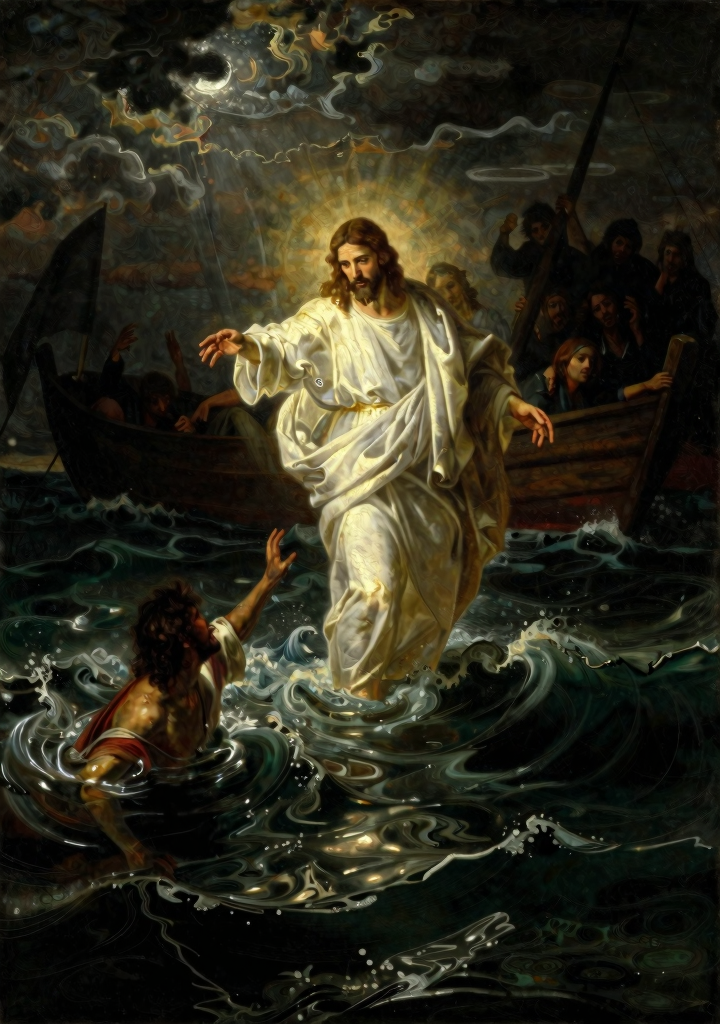
The Artists
299 invited artists each create one motif. Selection is by personal invitation following curatorial assessment.
The selection process ›
299 artists. 301 paintings. One shared vision.
Mission 301 is an international art, cultural and educational initiative. Across 301 large-format original paintings, a complete pictorial cycle of the Bible takes shape, from the creation of the world to the discovery of the Qumran scrolls.
299 artists from over 80 countries each paint a single work, bringing their own hand and the visual language of their origin. The first and the last paintings are my own.
The collection is owned by the Baranow Private Foundation in Vienna and remains together permanently. No painting will ever be sold individually.
 299
Artists From around the world
299
Artists From around the world  301
Paintings Key moments of the Bible
301
Paintings Key moments of the Bible  80+
Nations One vision
80+
Nations One vision  Three Books
One complete story
Three Books
One complete story  Documentation
From the idea to the premiere
Documentation
From the idea to the premiere  Mission Frame
Innovative, protective, enduring
Mission Frame
Innovative, protective, enduring  Timeless
Inspiring across generations
Timeless
Inspiring across generations Every painting comes from a different hand, with its own culture, its own experience, its own visual language.
299 artists from more than 80 countries together depict the most significant events of the Bible. No one paints two works. Each paints one.
What emerges is a visual Bible of our time: not one person's view, but many cultures looking at the same tradition.
A Journey Through the Bible
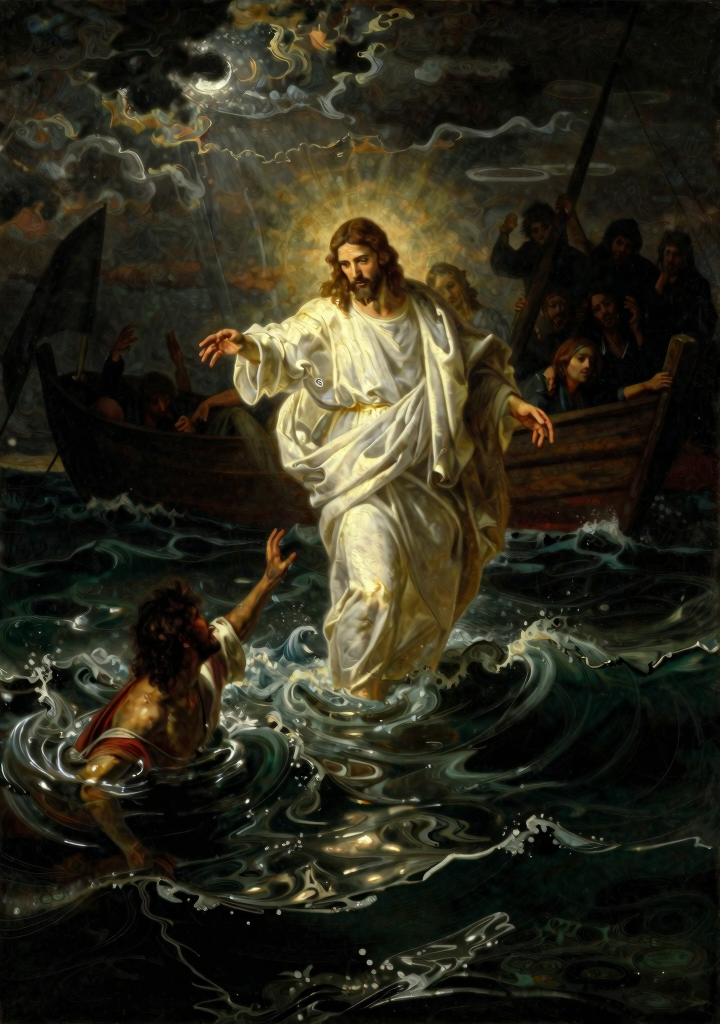 Creation and Primeval HistoryThe Beginning
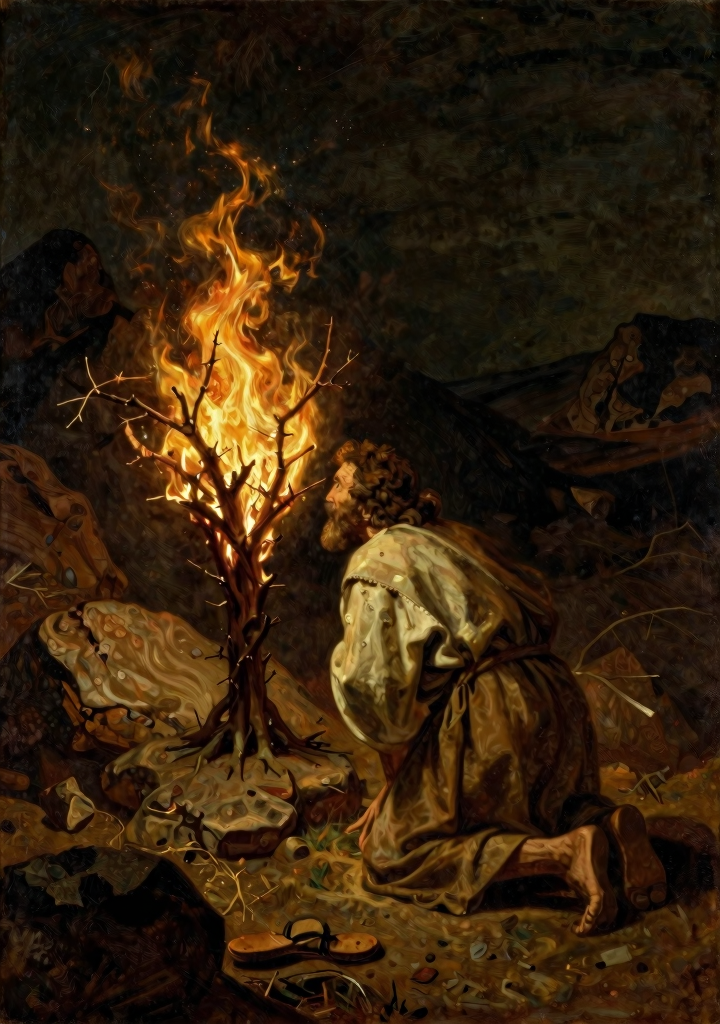 Patriarchs and the PeopleThe Chosen People
Kings and ProphetsThe Fulfillment
The GospelsThe Message for All
Patriarchs and the PeopleThe Chosen People
Kings and ProphetsThe Fulfillment
The GospelsThe Message for All
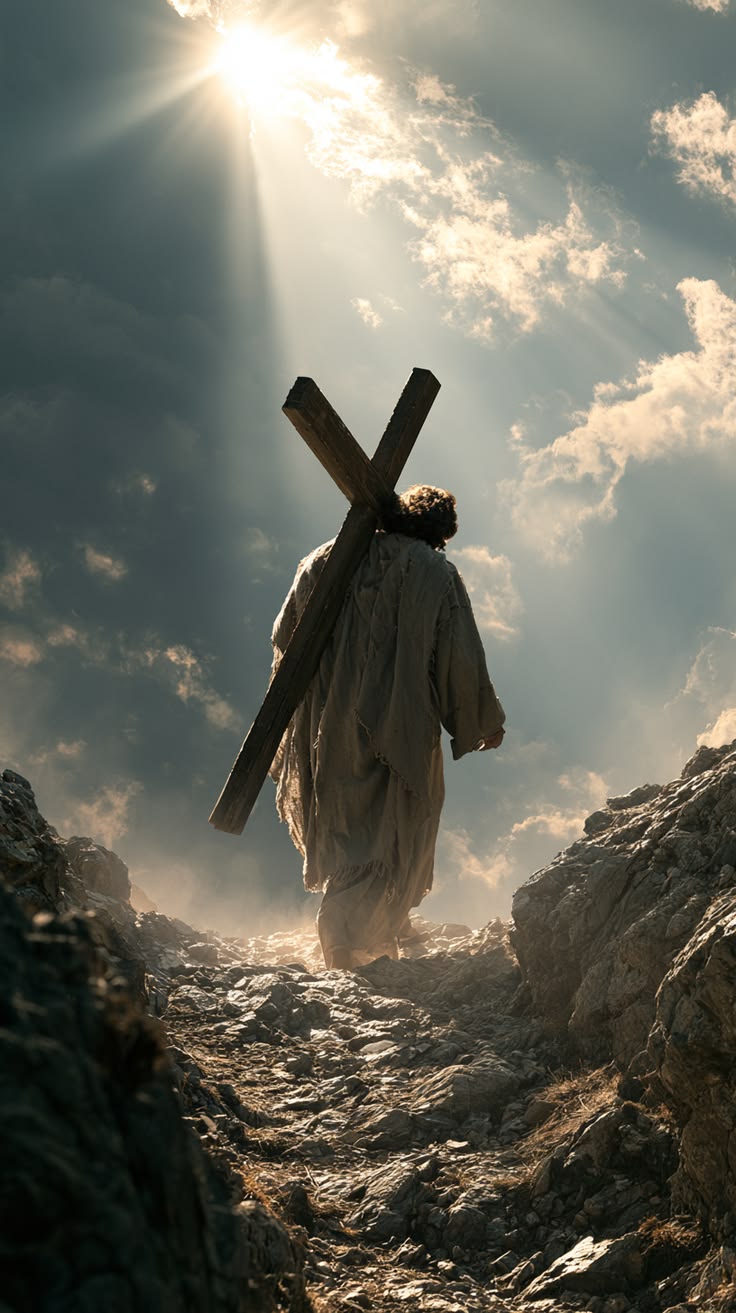 Apostles and the Early Church
Destruction and Transmission
Apostles and the Early Church
Destruction and Transmission
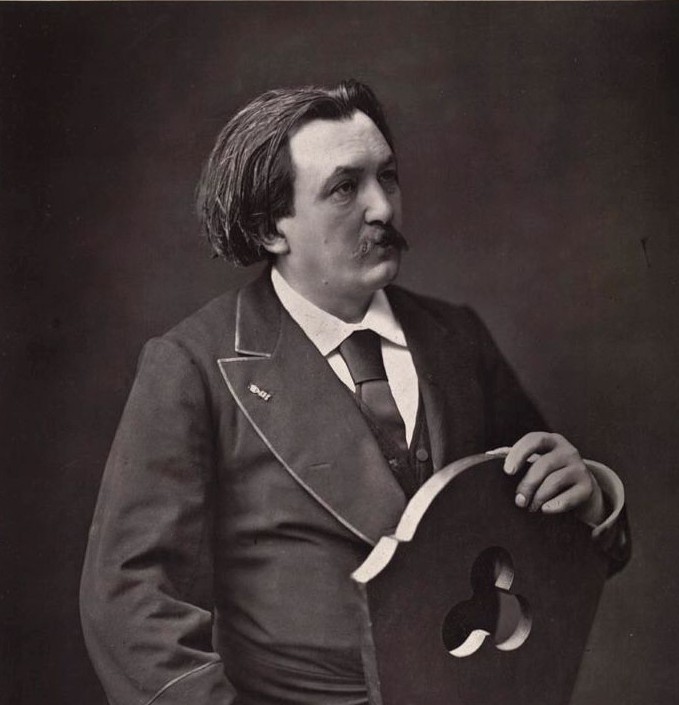
With his illustrated Bible, published in 1866, Doré created one of the most significant pictorial cycles in art history.
For generations, his illustrations shaped how people imagined biblical events.
Mission 301 is not a re-release of Doré's work.
Mission 301 sees itself as his continuation in our own time.
160 years later, 299 artists from more than 80 countries take up the same great story, with the forms of expression, experiences, and cultural diversity of the 21st century.
Every work is created anew. Every artist brings their own hand.
Mission 301 does not take on Doré's images. It takes on his intention: to keep the great stories of the Bible alive through art, for the generations that follow us.
The cycle reaches beyond Doré. It includes events absent from his work or unknown in his lifetime: the destruction of the First and Second Temple, the loss of the Ark of the Covenant, the looting of the Menorah, the discovery at Qumran
Great art is not copied. It inspires new generations.
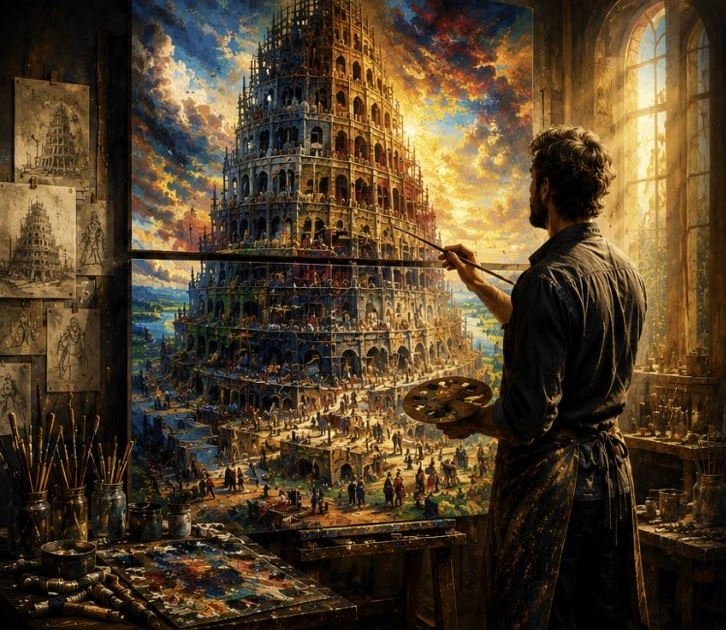
Mission 301 comprises 301 biblical motifs, created by 299 artists from more than 80 countries.
Standard works are painted in 150 × 100 cm portrait or 100 × 150 cm landscape, depending on the motif. Twelve motifs feature a monumental format: 200 × 150 cm, formed by two landscape canvases stacked vertically. In total, the cycle spans 313 canvases.
Each artist creates exactly one work with their own hand and becomes part of the first international illustrated Bible of the 21st century.
 One Artist,
Artists from over 80 Nations
One Artist,
Artists from over 80 Nations
 301 Biblical
 A Legacy for Future Generations
Selection is by personal invitation only. From a pool of some 18,000 artists reviewed worldwide, the initiator and two independent curators assess candidates against fixed criteria. Only the highest rated are invited. There is no application process.


Mission 301 is more than an art project. An international collection of 301 biblical motifs is taking shape, created by 299 artists from more than 80 countries.
A work is emerging that connects art, history and education, and that is meant to be preserved across generations.
We are looking for partners who will accompany and enable this vision for the long term.
International Traveling Exhibitions
Museums and cultural cities worldwide
Three-Volume Book Series
Art, history and documentation  301 Biblical Motifs
Created by 299 artists from over 80 nations
Long-Term Cultural Heritage
For coming generations
301 Biblical Motifs
Created by 299 artists from over 80 nations
Long-Term Cultural Heritage
For coming generations Great cultural legacies are not created alone.
They are created by people willing to take responsibility.
 2026
Foundation
Structures, partners, planning. Mission Frame prototype, patent filing, completion of artist selection.
2026
Foundation
Structures, partners, planning. Mission Frame prototype, patent filing, completion of artist selection.
 2027
Artists and motifs
299 artist contracts, 301 biblical motifs, first works begin.
2027
Artists and motifs
299 artist contracts, 301 biblical motifs, first works begin.
 2028
Paintings and books
Production of the works, Volume I of the book series.
2028
Paintings and books
Production of the works, Volume I of the book series.
 2029
International exhibition
All 301 works completed, book series published, first major exhibition.
2029
International exhibition
All 301 works completed, book series published, first major exhibition.
 2030+
Global presence
International touring exhibitions, museum partnerships, lasting cultural heritage.
2030+
Global presence
International touring exhibitions, museum partnerships, lasting cultural heritage.
Mission 301 connects artists, patrons, and cultural institutions from around the world. Each contributes in their own way to creating a unique cultural legacy for future generations.
299 invited artists each create one motif. Selection is by personal invitation following curatorial assessment.
The selection process ›
Support the creation of a cultural legacy that will outlast generations.
Investment Memorandum ›

Present Mission 301 in your museum or cultural institution and become part of our global journey.
Request partnership ›
The complete catalog spans from the creation of the world to the discovery of the Qumran scrolls at the Dead Sea in 1947, the rediscovery of the Word after two thousand years.